The White Rann at sunset
Walk out at golden hour for the surreal white-to-orange horizon. Drive further if you want total silence.
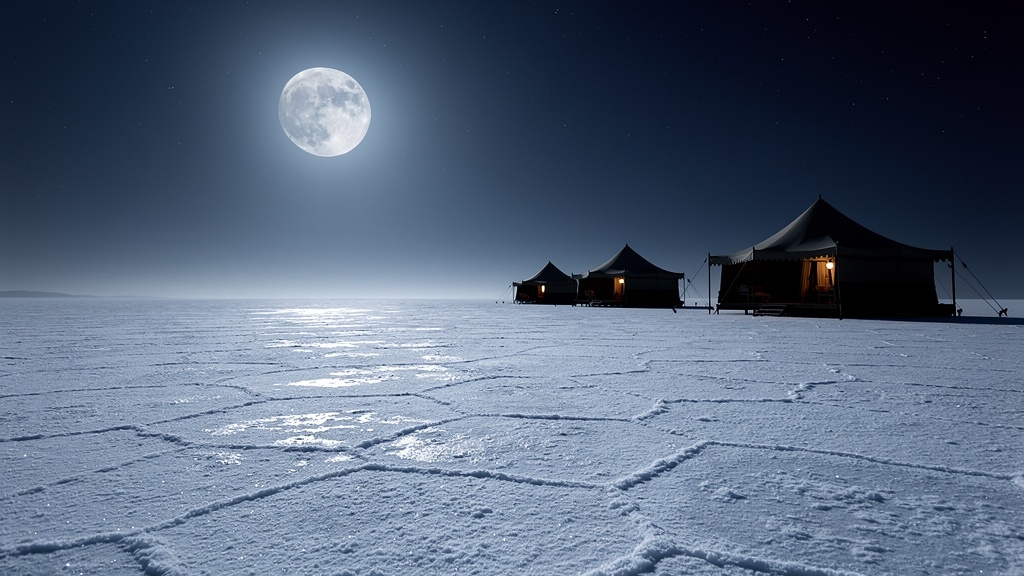
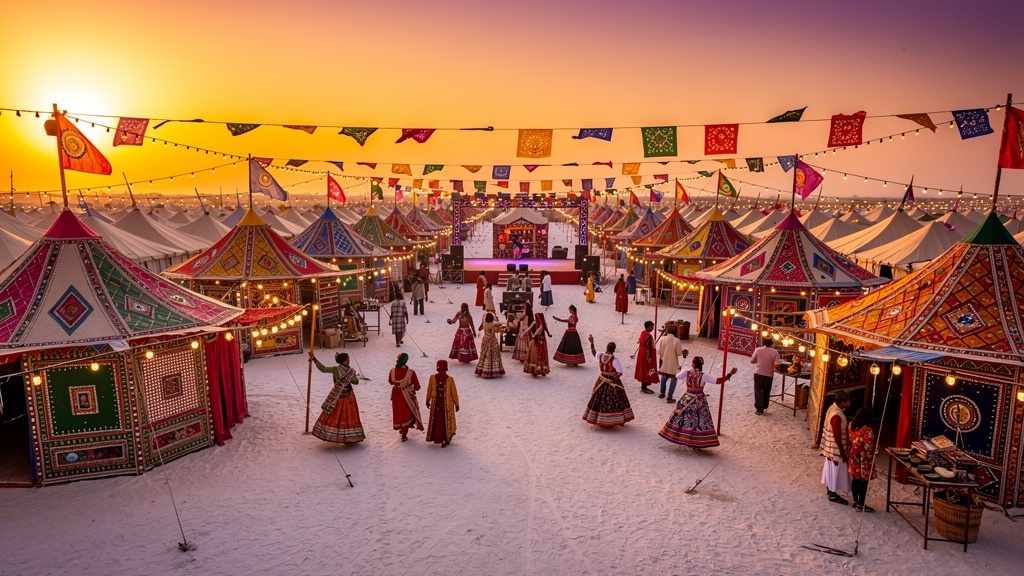
A flat, vast white expanse where the horizon dissolves. The famous Rann Utsav tent city runs from November to February; outside that season it is silent, eerie and even more beautiful.
The Great Rann of Kutch isn't actually a desert — it's a flat, seasonal salt marsh the size of a small country. After the summer, the rains flood it; by October the water evaporates and leaves a dazzling white crust of salt that goes on forever. At night, on a full moon, it's one of those places that re-arranges your sense of scale.
The upbeat tent-resort "Rann Utsav" runs here from November to February with cultural events, folk music, handicraft bazaars and camel-cart rides. Outside festival season, the desert is quieter — you'll share it with the wind and the occasional flamingo.
Walk out at golden hour for the surreal white-to-orange horizon. Drive further if you want total silence.
Nov–Feb only: 400+ Kutchi-style tents, folk concerts, handicraft markets. Book 2–3 months ahead for the full-moon weekends.
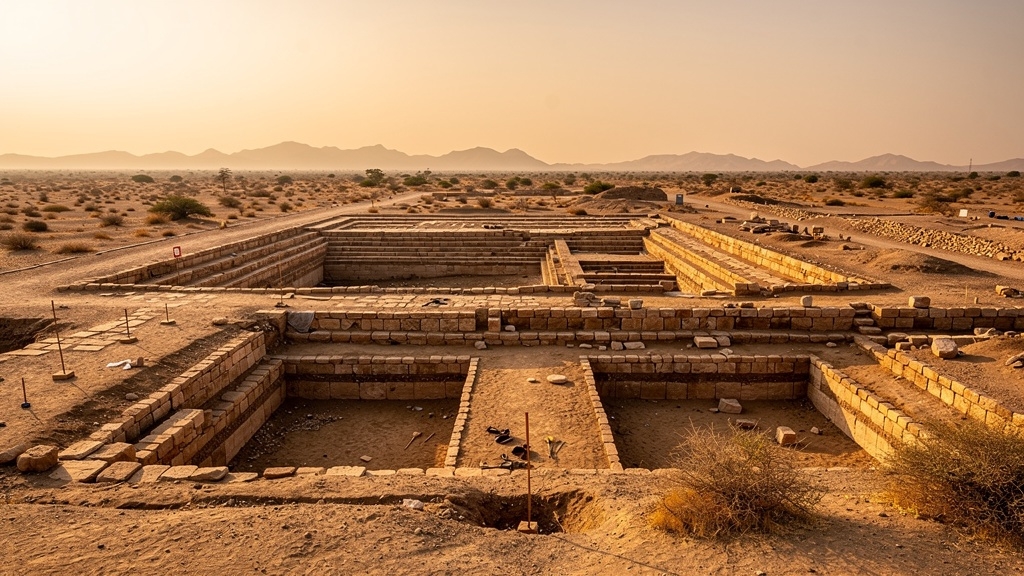
A 4500-year-old Indus Valley city with the world's oldest stormwater drains. 2 h drive from Bhuj. Combine with a sunset at the “Island of Stones”.
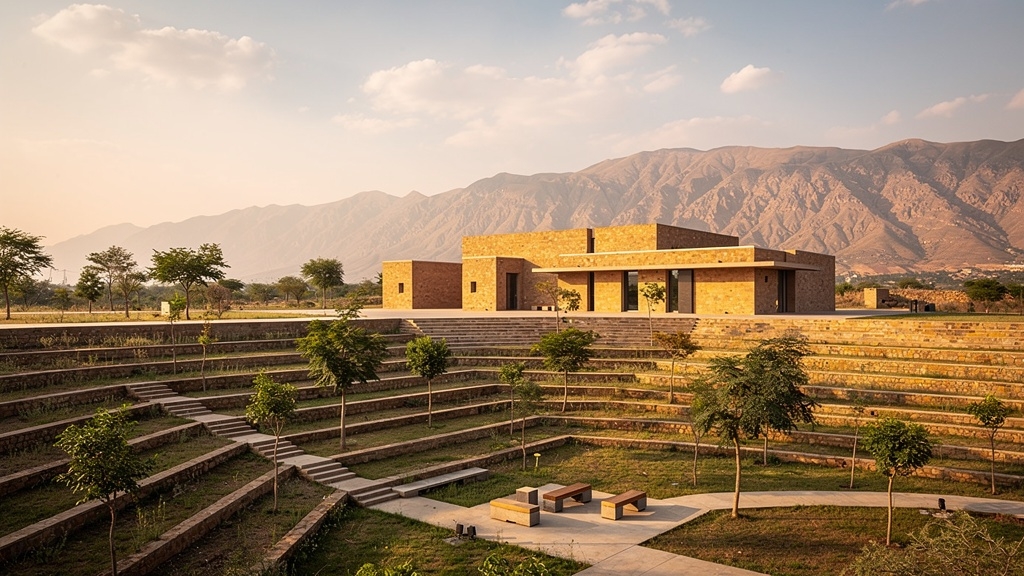
The "Black Hill" — highest point in Kutch at 462 m. The magnetic hill trick and a tea shop with probably the best view in Gujarat.
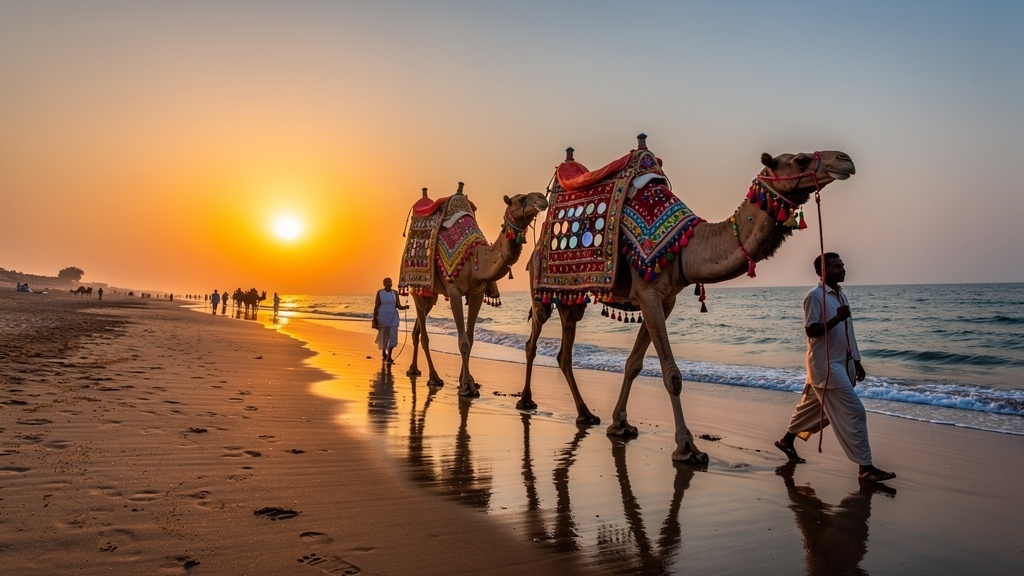
A short sunrise ride through the salt plain — surprisingly meditative. Operators depart from Dhordo village.
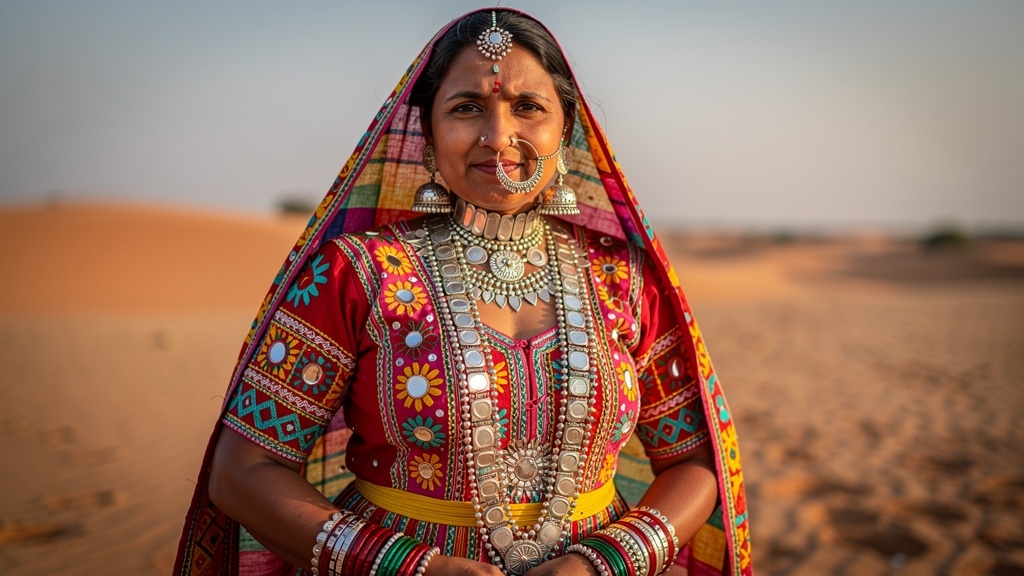
Mirror-work embroidery and traditional bhungas (round mud houses). Half-day visits from Bhuj or Dhordo.
Combine Bhuj, Mandvi, Dholavira and the white desert in 5 days.